
Inflammation gets talked about constantly in health circles, but understanding when it helps versus when it harms is crucial for managing your family’s wellness. This guide breaks down everything you need to know.
What Is Inflammation?
Inflammation is your body’s natural defense mechanism—a biological response that protects you from harm. When you get injured, infected, or exposed to toxins, your immune system releases white blood cells and chemical messengers to the affected area. This triggers increased blood flow, warmth, redness, and swelling as your body works to heal and protect itself.
Think of inflammation as your body’s internal emergency response team, rushing to repair damage and fight off invaders.
The Two Types of Inflammation
Acute Inflammation: The Good Kind
This is short-term inflammation that helps you heal. It appears quickly and resolves within days to weeks.
Examples include:
- Redness and swelling around a cut or scrape
- Sore throat from a cold
- Muscle soreness after an intense workout
- Sprained ankle with swelling
Acute inflammation is protective and necessary. Without it, wounds wouldn’t heal and infections would become life-threatening.
Chronic Inflammation: The Concerning Kind
This is long-term, low-grade inflammation that persists for months or years. Unlike acute inflammation’s obvious symptoms, chronic inflammation often operates silently, damaging tissues over time.
Chronic inflammation contributes to:
- Heart disease
- Type 2 diabetes
- Arthritis
- Autoimmune conditions
- Alzheimer’s disease
- Certain cancers
- Obesity
Signs Your Body Is Inflamed
Acute Inflammation Signs:
- Redness at the injury site
- Heat or warmth
- Swelling
- Pain or tenderness
- Loss of function in the affected area
Chronic Inflammation Warning Signs:
- Persistent fatigue that doesn’t improve with rest
- Unexplained body aches and joint pain
- Frequent infections or slow healing
- Digestive issues like bloating, gas, or irregular bowel movements
- Skin problems including acne, eczema, or psoriasis
- Brain fog and difficulty concentrating
- Mood changes, anxiety, or depression
- Unexplained weight gain or difficulty losing weight
- Persistent muscle soreness (beyond 48 hours post-workout)
When Inflammation Becomes a Problem
Acute inflammation becomes concerning when:
- It doesn’t resolve within a reasonable timeframe
- Symptoms worsen instead of improve
- You develop fever, severe pain, or signs of infection
- It interferes with daily activities
Chronic inflammation requires attention when you experience multiple warning signs simultaneously or symptoms persist despite lifestyle improvements.
Lab Markers to Watch:
- C-reactive protein (CRP): Levels above 3 mg/L may signal chronic inflammation
- Erythrocyte sedimentation rate (ESR)
- Fasting blood sugar and insulin levels
- Lipid panel abnormalities
Root Causes of Chronic Inflammation
Diet-Related Triggers:
- Refined sugars and high-fructose corn syrup
- Trans fats and excessive omega-6 fatty acids
- Processed meats and fried foods
- Refined carbohydrates (white bread, pastries)
- Excessive alcohol consumption
- Advanced glycation end products (AGEs) from charred or heavily processed foods
Lifestyle Factors:
- Chronic stress and poor stress management
- Insufficient sleep (less than 7 hours nightly)
- Sedentary lifestyle or excessive exercise without recovery
- Smoking and environmental toxins
- Obesity, particularly excess visceral fat
Health Conditions:
- Autoimmune disorders
- Chronic infections
- Gut dysbiosis and leaky gut syndrome
- Hormonal imbalances
- Unmanaged food sensitivities or allergies
Environmental Factors:
- Pollution and air quality
- Exposure to pesticides and chemicals
- Mold exposure
- Heavy metal toxicity
Who Should Pay Special Attention
High-Risk Groups:
Active Moms: Juggling family, work, and fitness creates stress that can trigger inflammation. Overtraining without adequate recovery compounds the issue.
People with Family History: Genetic predisposition to autoimmune diseases, heart disease, or diabetes increases inflammation risk.
Those Over 40: Inflammation naturally increases with age, making prevention more critical.
Individuals with Existing Conditions: Anyone with obesity, metabolic syndrome, autoimmune disease, or chronic pain needs to monitor inflammation actively.
High-Stress Professions: Chronic stress elevates cortisol, which promotes inflammatory responses.
Poor Sleep Quality: Consistently getting less than 7 hours or experiencing sleep disorders increases inflammation markers.
How to Reduce Chronic Inflammation
Anti-Inflammatory Foods to Embrace:
- Fatty fish (salmon, mackerel, sardines) rich in omega-3s
- Colorful vegetables, especially leafy greens
- Berries (blueberries, strawberries, cherries)
- Turmeric with black pepper for absorption
- Extra virgin olive oil
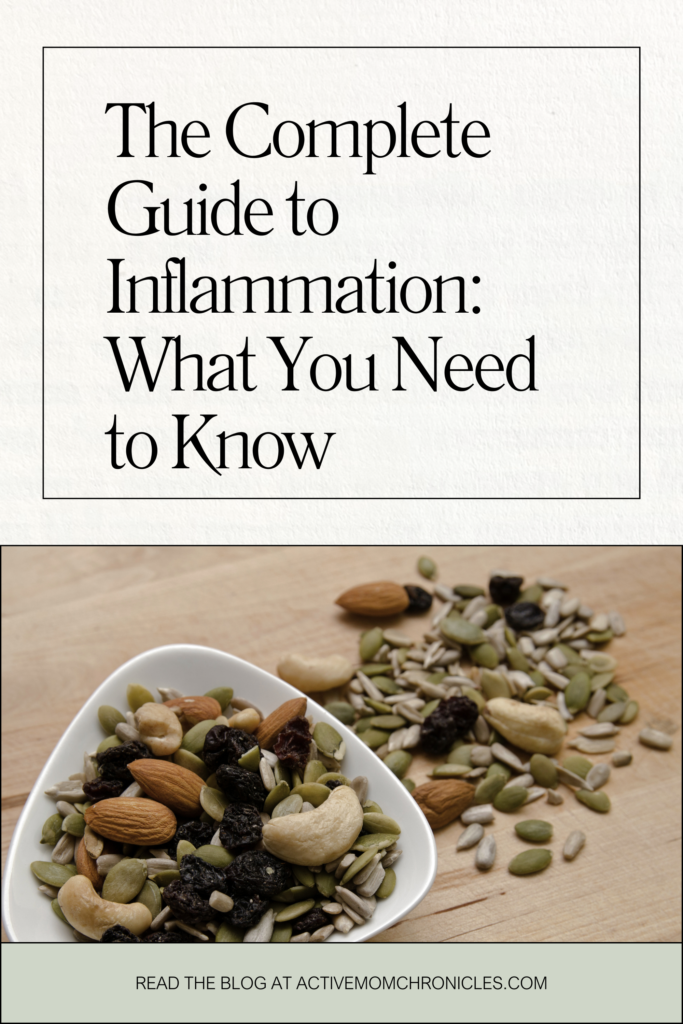
- Nuts and seeds (walnuts, flaxseeds, chia seeds)
- Green tea
- Dark chocolate (70%+ cacao)
- Tomatoes
- Ginger

Lifestyle Modifications:
Prioritize Sleep: Aim for 7-9 hours of quality sleep. Poor sleep increases inflammatory markers significantly.
Manage Stress: Practice meditation, deep breathing, yoga, or activities that genuinely relax you. Chronic stress keeps inflammation elevated.
Exercise Smart: Regular moderate activity reduces inflammation, but overtraining increases it. Balance intensity with recovery days.
Maintain Healthy Weight: Excess body fat, especially around the abdomen, produces inflammatory compounds.
Stay Hydrated: Water helps flush inflammatory waste products from your system.
Limit Alcohol: Excessive drinking promotes gut inflammation and liver stress.
Supplement Strategically:
- Omega-3 fatty acids (1-2g EPA/DHA daily)
- Curcumin (1g daily with black pepper)
- Vitamin D (2000 IU if deficient)
- Probiotics for gut health
- Magnesium
Gut Health Focus:
Your gut houses approximately 70% of your immune system. Poor gut health drives systemic inflammation.
Support gut health by:
- Eating fermented foods (yogurt, kefir, sauerkraut, kimchi)
- Consuming prebiotic fiber (onions, garlic, asparagus, bananas)
- Avoiding unnecessary antibiotics
- Managing food sensitivities
- Reducing processed food intake
When to See a Doctor
Consult a healthcare provider if you experience:
- Persistent symptoms despite lifestyle changes
- Unexplained weight loss or gain
- Chronic pain affecting quality of life
- Digestive issues lasting more than a few weeks
- Recurring infections
- Family history of autoimmune disease with emerging symptoms
- Elevated inflammatory markers on blood tests
Your doctor can order comprehensive testing and rule out underlying conditions requiring medical treatment.
The Bottom Line: Inflammation isn’t inherently bad—it’s your body’s healing mechanism. The problem arises when inflammation becomes chronic and silent. By understanding the signs, addressing root causes through diet and lifestyle, and knowing when to seek medical help, you can harness inflammation’s protective benefits while preventing its destructive potential. Small, consistent changes make the biggest impact on reducing chronic inflammation and protecting your long-term health.



Leave a Reply